Publication date: July 16, 2026
The Okhotsk Story: What Happened to the Hot Summer?
What happened
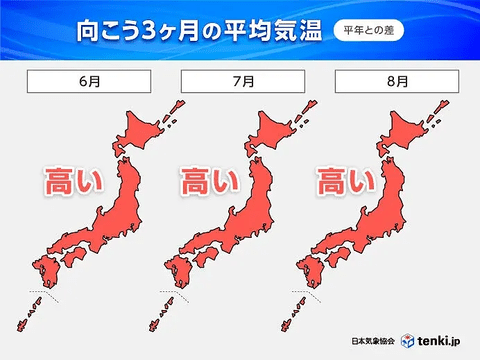
Every major forecaster predicted a hot summer. Instead, June was the coolest in the Reiwa era, the coldest since 2012. Tokyo had just 2 days above 30°C (same as Sapporo). Average temperature was 21.5°C, which was lower than in normal years (JMA).
–
Why: The Okhotsk High (オホーツク海高気圧)
A high-pressure system over the Sea of Okhotsk pushed cold, moist air (“yamase”) south into eastern Japan. This is a known phenomenon but was unusually strong and persistent in 2026, blocking the Pacific High and suppressing temperatures across Hokkaido, Tohoku, and Kanto (Weathernews). Compounding this: El Niño was suprisingly declared (JMA), which weakens the Pacific High and lets the Okhotsk pattern dominate longer.
Market impact
European Electricity eXchange (EEX)’s future prices declined between late May and early July. The August Tokyo peak contract fell from JPY 33.63/kWh on May 29 to JPY 24.38/kWh on July 3, a decrease of 27.5% (EEX).
Summer may still come back hard: JMA says the cooler weather will not last and heat above normal levels is expected over the rest of July and August. If it does, the back end could reprice, because the fundamental structural challenges in the energy sector (thermal retirements, slow nuclear restarts, grid constraints) haven’t changed. They were just masked by cool weather.
–