Publication date: July 7, 2026
Japan Data Center Update 25: Regulatory Easing and Utility Coordination Shape Japan’s AI Data Center Investment
Shikoku Electric strengthens organization to attract data centers across four prefectures
Shikoku Electric Power announced that it will strengthen its organization to attract data centers to the four prefectures of Shikoku. The company has established the Digital Infrastructure Development Promotion Office to reinforce its structure in line with local governments’ efforts to attract data centers. Through attracting new DCs to the region, Shikoku Electric aims to create new electricity demand and increase electricity sales revenue.
Shikoku Electric Group will take a group-wide approach to promoting data center development, including through their new Promotion Office, and STNet, a Shikoku Electric subsidiary that handles the group’s telecommunications business. Although Shikoku Electric has not set specific targets for scale or timing, the company aims to meet rising demand from data center operators, who often seek to begin operations within two to three years after FiD.
Regulatory reform council calls for easing data center rules for lithium-ion batteries
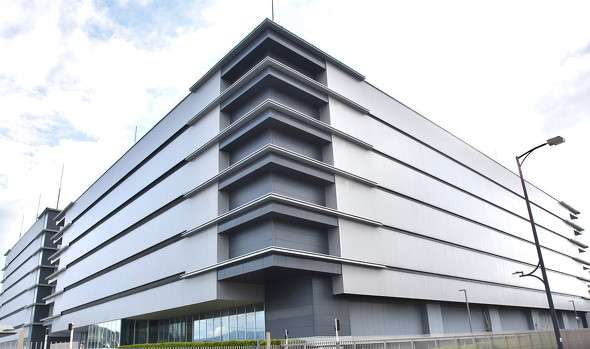
The Regulatory Reform Promotion Council, established within the Cabinet Office as an advisory body to the Prime Minister, has recommended a review of data center construction standards to promote AI adoption. The recommendations ask relevant ministries to ease regulations to make it easier to install large numbers of lithium-ion batteries at AI-oriented data centers that consume large volumes of electricity.
Under the Fire Service Act, lithium-ion battery installations are subject to strict regulations when the total electrolyte volume exceeds 1,000 liters. These requirements can constrain the scale of battery systems that data centers are able to deploy. The Council recommends exempting batteries from these regulations where they have been certified as meeting internationally recognized safety standards.
Regarding this matter, an expert points out that Japan frequently experiences natural disasters such as earthquakes, and that simply applying overseas safety standards as they are would be inappropriate.
—